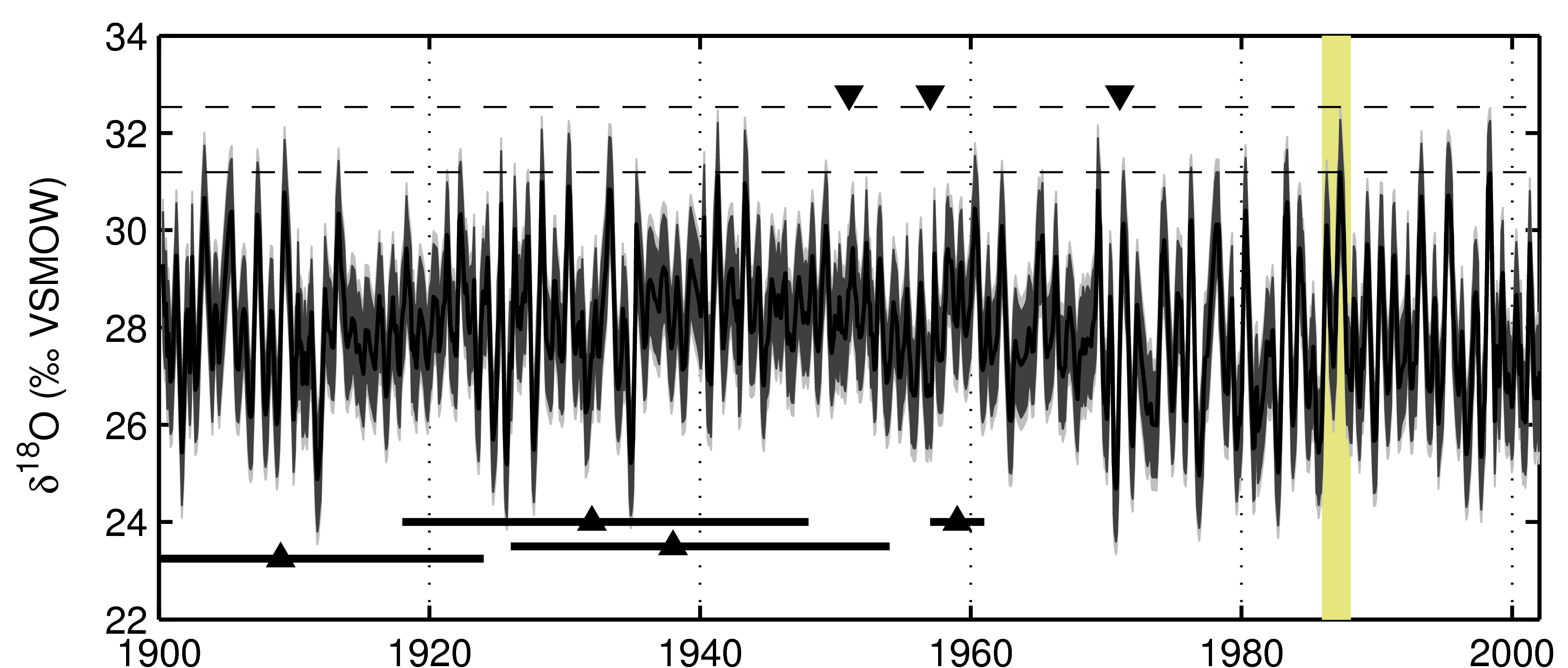
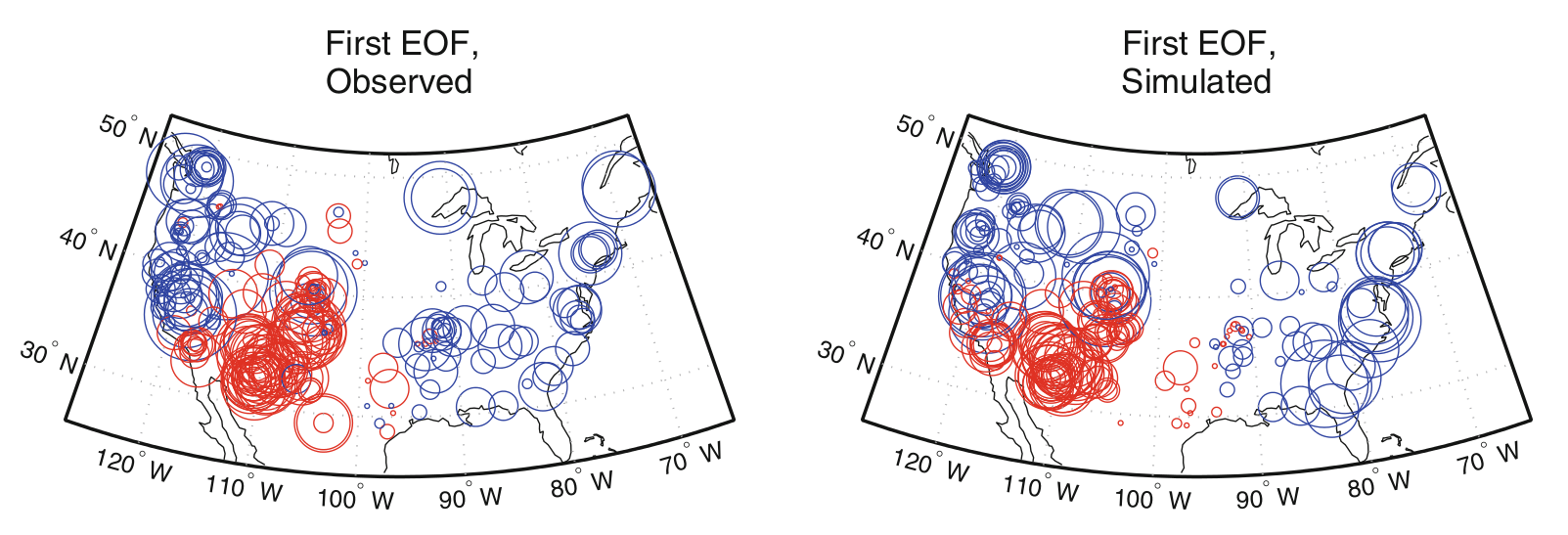
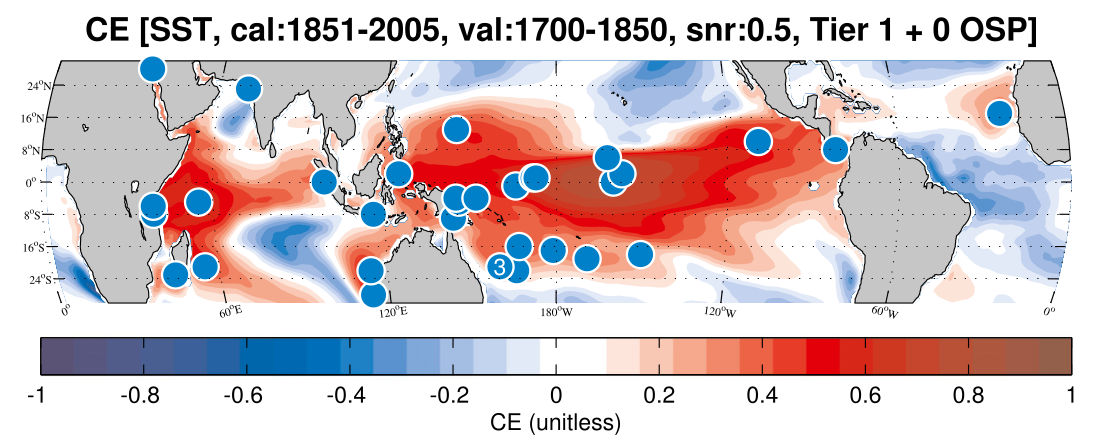
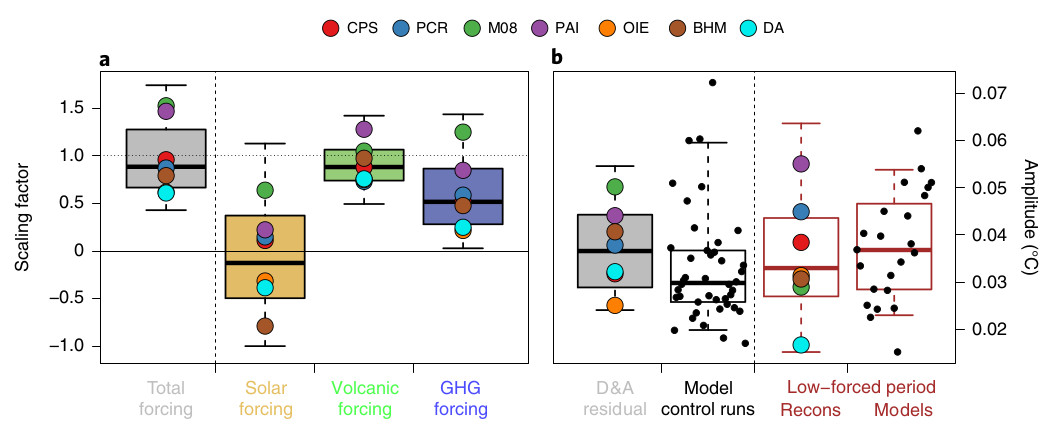
Paleoclimatology: I am particularly interested in placing current and future climate variability and change within the context of the past. Are there well-defined and predictable cycles and patterns, driven by unique physical mechanisms on timescales from decades to centuries? Or do the oceans, land surface, biota, ice and stratosphere simply integrate and retain a "memory" of well-understood forcing mechanisms underlying month-to-month and year-to-year variations? The answer to this question is important for the development and testing of probabilistic and regional climate change projections and uncertainty estimates into the 21st century.
Our perspective on this problem is from paleoclimatic observations, data modeling, reconstruction, synthesis and comparison with realistically forced climate and global change simulation ensembles.
Climate and Global Change: How will current climate forcing create environmental and ecosystem change? We also work with biogeochemists, geologists, civil engineers and marine ecosystems specialists to identify and forecast patterns in marine ecosystem stress indicators; characterize methane fluxes, sources and sinks, and analyze, interpret and model patterns of pollution dispersion in air and soil.
Our collaborators in these activities are at UMD, Columbia/LDEO, UA, WVU, NOAA, USDA, NIWA, Univ Auckland, Univ. Bern, Univ. Edinburgh, and come from across the global PAGES network.
Student and postdoctoral opportunities: Please contact me to discuss projects in paleoclimatology and global change! I will want to hear about your motivation and your research, skills and career goals; please attach a resume or CV in pdf format. More about me is here.